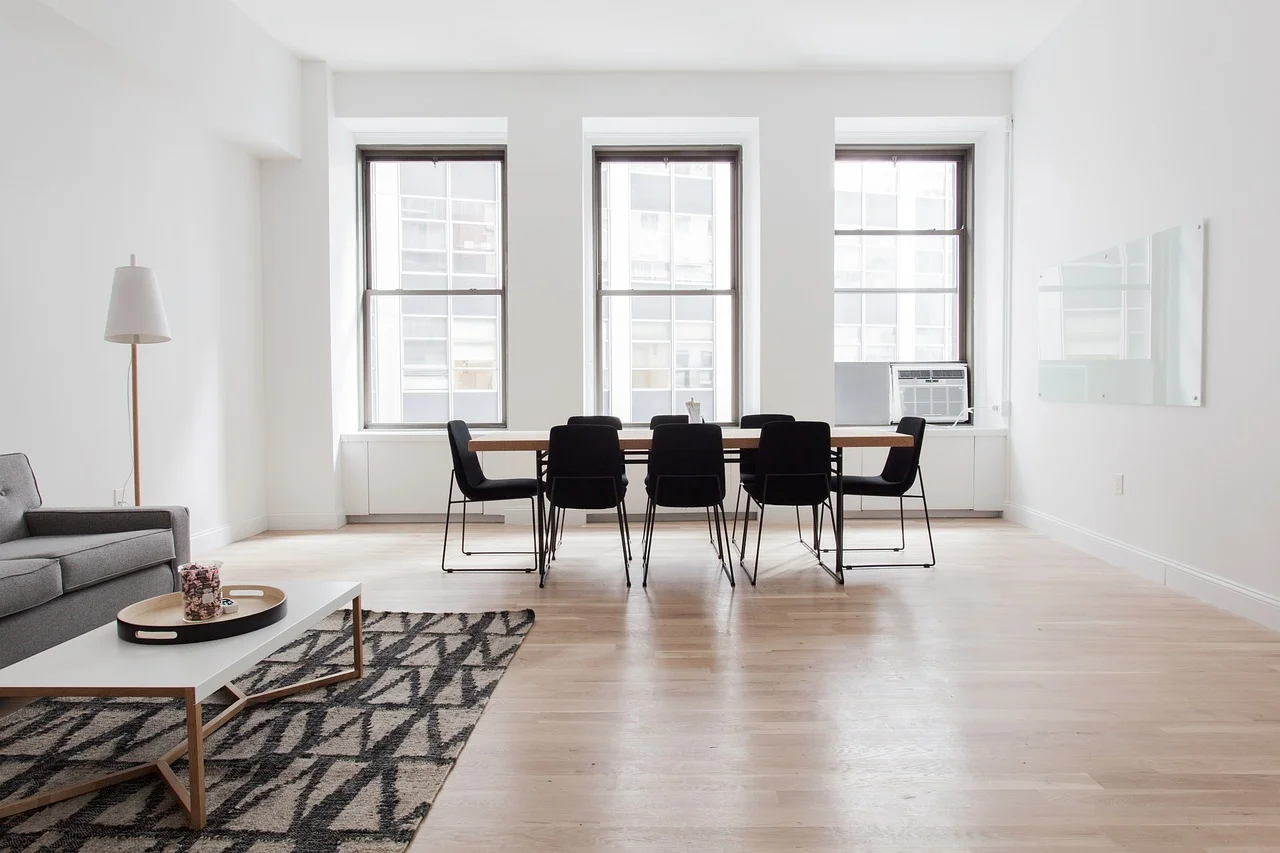

Useful inventory photography is about making a detail understandable. A dramatic close-up may show a mark clearly but leave the reader unsure which wall it belongs to. A wide room photograph may explain the layout but hide the same mark. Good documentation uses both views in a structured sequence.
Show where the observation belongs
Start with an overview that establishes the room. Then take a closer view of a relevant item, followed by a detail photograph if needed. Keep the reference system simple enough that a person who has never visited can follow it.
Use consistent orientation. If one report describes the rear bedroom and another uses bedroom three, explain the relationship. Photograph doorways, windows or fixed features where they help locate the subject without revealing unnecessary personal information.
Record detail without changing the appearance
Use lighting that makes the subject readable. Avoid filters, artificial enhancements or angles that exaggerate a defect. If a surface reflects light, take another view rather than assuming the reflection will be obvious to the reader.
Keep the original image files. Screenshots copied into messaging apps can lose useful context or quality. An annotated copy can help explain a point, but it should remain distinguishable from the unaltered original.
Match the photographs to the written report
Write an observation that says what the image is intended to show. A photograph should support a specific note rather than being left as an unexplained attachment. Check that the image number and room reference match before the report is shared.
Photographs have limits. They may not communicate an odour, a faint layer of dust or an inaccessible area. Written observations and a clear statement of limitations help prevent the images from being asked to prove more than they show.
Make later comparison straightforward
At the end of occupation, aim to photograph a changed item from a comparable position. Include enough surrounding detail to establish that it is the same location. If furniture has moved, explain the difference rather than trying to force an identical angle.
Keep a logical folder structure using the property reference, visit date and room. Restrict distribution of images containing personal belongings. See our digital report guide for a practical approach to versions, original files and access.
Practical property-record guidance. For a specific legal, technical or safety question, use the relevant professional or official source.
Discuss your property brief →